The United States and Iran have signed a Memorandum of Understanding (MoU), marking a significant step towards ending a conflict that has unsettled global markets and disrupted trade over the past three months.
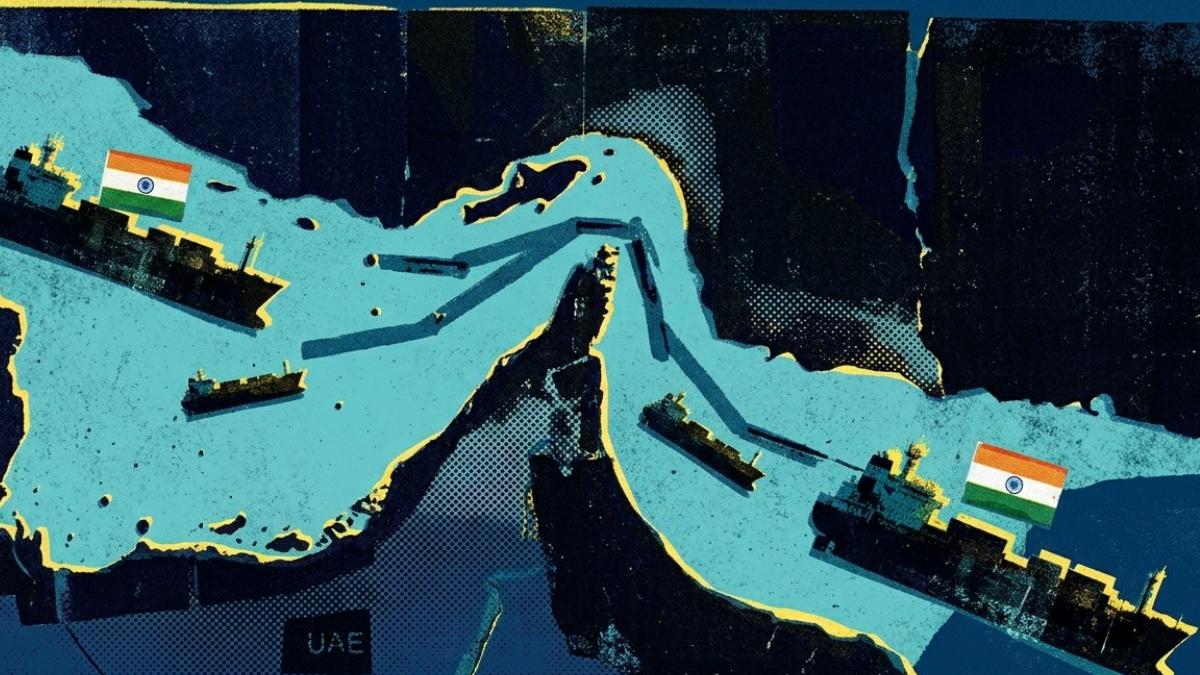
The agreement, signed by US President Donald Trump and Iranian President Masoud Pezeshkian, includes a commitment from both sides to reopen the Strait of Hormuz, one of the world’s most critical maritime trade routes.
While the deal is being viewed as a major diplomatic breakthrough, it remains an interim arrangement. Negotiators now have a 60-day window to work towards a broader agreement. Several contentious issues, including Iran’s nuclear programme and the future of sanctions, have yet to be resolved.
For India, however, the agreement could bring several immediate economic benefits if the peace process remains on track.
Strait of Hormuz reopening could ease energy concerns
One of the most important aspects of the agreement is the decision to restore normal movement through the Strait of Hormuz.
The narrow waterway is a vital route for global energy supplies, and a substantial portion of India’s crude oil, liquefied natural gas (LNG) and liquefied petroleum gas (LPG) imports pass through it.
Any disruption in the Strait directly affects India’s energy security and shipping costs. With maritime traffic expected to resume normally, concerns over supply bottlenecks could ease considerably.
The development may also help stabilise LPG supplies at a time when domestic and commercial cylinder prices have seen increases. If energy transportation costs decline, consumers could eventually benefit from lower prices.
Lower oil prices could reduce India’s import bill
India imports nearly 85 percent of its crude oil requirements, making the country highly sensitive to fluctuations in global oil prices.
The agreement is expected to bring more Iranian oil back into international markets, increasing supply and reducing the geopolitical risk premium that had been pushing prices higher during the conflict.
Global oil benchmarks, including Brent crude, have already shown signs of easing following the announcement of the deal.
For India, lower crude prices could translate into a reduced import bill, less pressure on petrol and diesel prices, lower inflation and stronger support for the rupee.
Relief for exporters as shipping costs fall
The conflict in the region had increased shipping expenses and caused delays in cargo movement, affecting international trade.
With tensions beginning to ease, freight costs could decline and shipping routes may become more predictable. This would improve the competitiveness of Indian exports in overseas markets.
Industries that rely heavily on international trade are expected to gain the most. These include textiles, engineering goods, pharmaceuticals, automobile components, gems and jewellery.
Lower transportation costs would help exporters maintain margins while improving delivery timelines.
Chabahar Port opportunity could return
The agreement may also revive strategic opportunities for India in Iran.
If sanctions are eased further as part of future negotiations, India could gain greater access to the Chabahar Port project, which is considered crucial for regional connectivity.
The port provides India with access to Afghanistan and Central Asian markets without relying on routes through Pakistan.
A more stable relationship between Washington and Tehran could therefore strengthen India’s long-term trade and connectivity ambitions in the region.
Lower inflation and better economic stability
A sustained decline in oil prices has historically benefited the Indian economy.
Since energy costs influence transportation, manufacturing and logistics expenses, cheaper crude often reduces inflationary pressures across sectors.
Lower fuel prices can help businesses cut operating costs while also reducing the financial burden on consumers.
Economists generally view falling oil prices as positive for India because they improve government finances, reduce import-related pressures and create a more favourable environment for economic growth.
Why India still needs to be cautious
Despite the optimism surrounding the agreement, uncertainty remains.
The MoU is not a final peace treaty and serves only as a framework for further negotiations over the next 60 days.
Several major issues remain unresolved, including the future of Iran’s nuclear programme and the extent of sanctions relief that may eventually be granted.
If negotiations break down, tensions in the region could return, potentially pushing oil prices higher and disrupting trade routes once again.
For now, India stands to gain significantly from the easing of tensions, but the long-term benefits will depend on whether Washington and Tehran can convert the temporary agreement into a lasting peace settlement.