The Strait of Hormuz remains an indispensable artery for global oil trade. Every major development affecting the region instantly influences energy prices, shipping insurance costs and international market confidence. Energy-importing countries across Asia, Europe and other regions carefully monitor every diplomatic and military movement surrounding the Gulf.
The decision to pause Project Freedom reportedly surprised several senior American officials. Prior to the suspension, top members of the administration had publicly promoted the initiative as a critical step toward guaranteeing freedom of navigation and protecting global oil supply chains. The sudden reversal therefore raised speculation regarding internal disagreements, diplomatic obstacles and shifting strategic calculations.
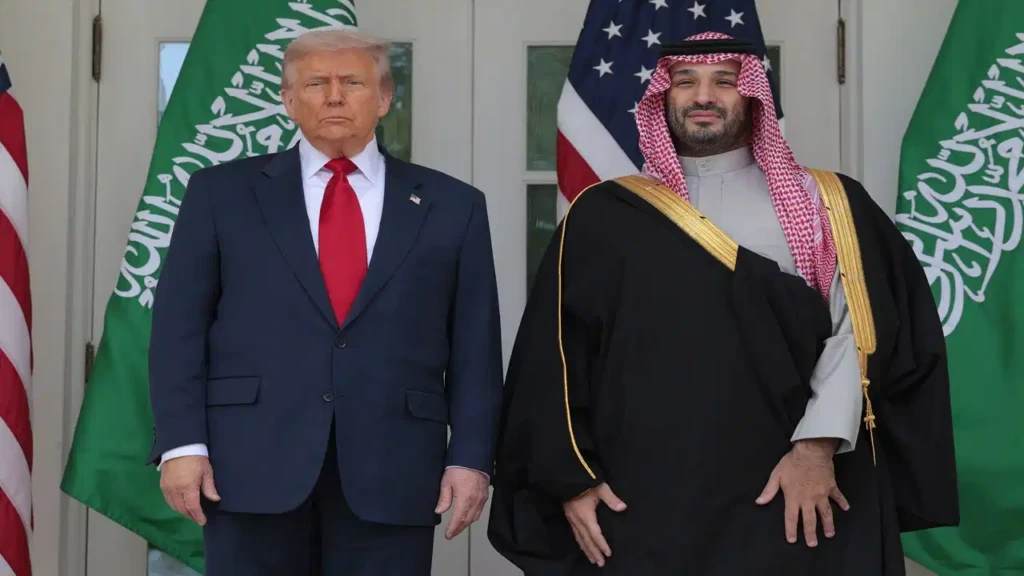
Donald Trump later stated that the suspension would provide additional time for diplomatic progress with Iran. He claimed that negotiations and international mediation efforts, including involvement from China, had contributed to a temporary reduction in tensions. However, analysts noted that the timing of Saudi Arabia’s reported refusal strongly influenced the final decision.
The broader geopolitical implications of the development continue to unfold. Relations between Saudi Arabia and the UAE may face additional strain because of their differing responses to the regional crisis. At the same time, Iran may interpret the suspension as evidence that Gulf nations prefer diplomatic stability over direct military confrontation.
International diplomatic observers believe the episode highlights a larger transformation taking place across the Middle East. Regional powers are increasingly prioritizing economic stability, infrastructure protection and investment security over prolonged military escalation. Gulf economies have invested heavily in modernization, tourism, technology and global partnerships, making regional stability more important than ever before.
Meanwhile, energy markets continue to remain sensitive to every geopolitical signal emerging from the Gulf region. Oil traders, shipping companies and international investors are carefully evaluating the implications of the latest developments for future energy security and regional diplomacy.
The future of Project Freedom remains uncertain. While the operation has reportedly been suspended rather than permanently canceled, the refusal by Saudi Arabia significantly complicates any immediate revival of the plan. Without access to critical regional infrastructure and strategic airspace, the operational feasibility of such a mission becomes far more challenging.
The situation also underscores the growing importance of regional diplomacy in shaping international military decisions. Gulf countries now possess greater influence in determining how external powers operate within the region. Their strategic calculations increasingly reflect economic interests, domestic stability and long-term geopolitical positioning rather than automatic alignment with traditional allies.
As tensions continue across the Middle East, the suspension of Project Freedom may ultimately become a defining example of how regional powers are reshaping the balance between diplomacy, military strategy and economic survival in one of the world’s most volatile geopolitical arenas.