
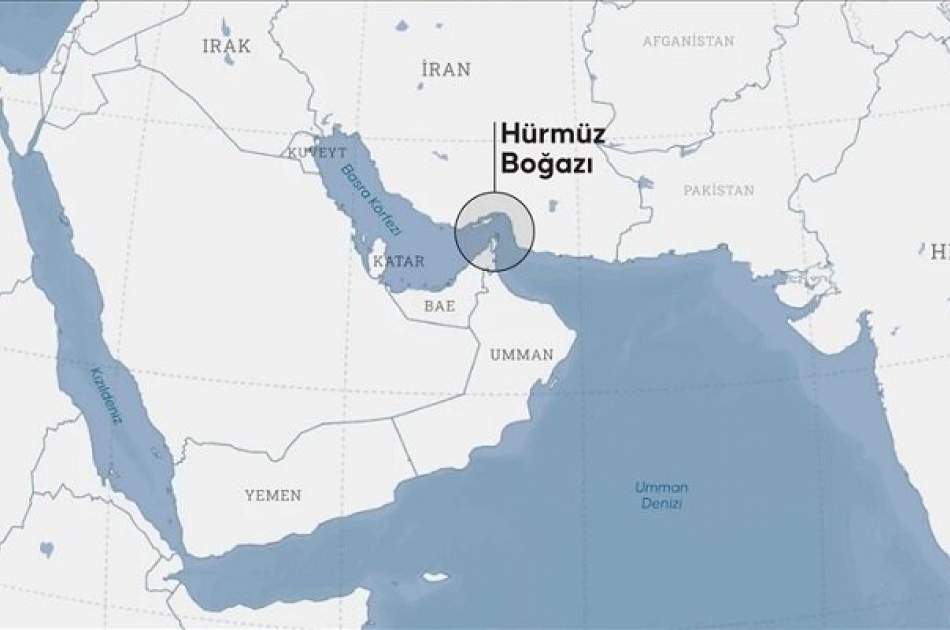
Afghan Voice Agency (AVA) – International Service: Al Jazeera Network examined the possible consequences of the simultaneous closure of the Straits of Hormuz and Bab al-Mandab due to the US and Saudi Arabia’s war-making in a report and wrote that these two strategic passages are the backbone of maritime trade and energy transport in the world, and any simultaneous disruption in them could change the economic, security and geopolitical equations of the region and the world.
According to the report, the Bab el-Mandeb Strait is one of the world’s most important waterways, connecting the Red Sea to the Gulf of Aden, the Arabian Sea, the Suez Canal and the Mediterranean Sea. Between 7 and 10 million barrels of oil pass through this route daily, and about 12 to 15 percent of global trade and nearly 25 percent of Europe’s liquefied natural gas imports are also carried out through this waterway. About 21,000 ships pass through this strait annually, equivalent to 57 ships per day.
Al Jazeera adds that if traffic in Bab el-Mandeb is stopped at the same time as the Strait of Hormuz, the time to transport goods between Asia and Europe will increase from 31 days to about 41 days, and the cost of transporting an average container ship will increase from about $1 million to about $1.7 million; an event that could cause a widespread crisis in maritime transport and global trade.
Amer Al-Shubaki, an expert on international oil and energy markets, told Al Jazeera that Yemeni Ansarullah forces have shown in recent years that they are capable of creating insecurity in the Bab al-Mandab Strait, which has forced major shipping companies to change their routes and significantly reduced oil shipments through this route.
Yemeni armed forces have carried out more than 100 attacks on ships in recent years, forcing major companies to change their routes through the waterway, with oil flows through the strait dropping from approximately 9 million barrels in 2023 to 4 million barrels in 2024.
The situation in the Bab al-Mandab Strait has also directly affected the Suez Canal, with its revenues falling from $10.2 billion in 2023 to about $4 billion in 2024. The number of ships passing through the canal has also decreased from more than 26,000 to about 13,000, depriving Egypt of one of its most important sources of foreign exchange and increasing pressure on the budget and the pound exchange rate.
Al-Shubaki believes that the greatest danger will occur when disruptions in Bab al-Mandab coincide with the closure of the Strait of Hormuz. He explained that Saudi Arabia is using the “East-West” pipeline to transport oil to the port of Yanbu on the Red Sea coast following the escalation of tensions, but oil exported from this port must also pass through Bab al-Mandab to reach Asian markets; therefore, the insecurity of this waterway could also pose a challenge to the most important alternative route for Saudi oil exports.
The expert emphasized that in such circumstances, Saudi Arabia, Egypt, China, Europe, India, Japan and South Korea will be among the countries that will suffer the most from the simultaneous disruptions in these two straits.
According to a report by the United Nations Conference on Trade and Development (UNCTAD), the rerouting of ships from the Bab el-Mandeb to the Cape of Good Hope has increased demand for shipping fleets and put additional pressure on the world’s ports, which has led to increased transportation costs and longer transit times.
Energy expert Lori Hittayan also emphasized in an interview with Al Jazeera that the effects of the closure of the Bab el-Mandeb will not be limited to the oil and gas market, but will also seriously disrupt global supply chains, international trade and the movement of goods.
Meanwhile, Reuters has warned that even the continued threat of closing the Bab el-Mandeb could have significant effects on global trade and commodity prices by increasing insurance costs, rerouting ships and increasing transportation costs.
