
Gin wasn’t invented in the United Kingdom; it was the Dutch who first used jenever, or juniper berries, as a medicinal tonic before infusing malt wine with their piney flavor.
It was the UK, however, that took gin and made it a countrywide and then a global spirit, a staple of cocktail culture.
Now the UK wants to bring additional brands from its 1,000 distilleries to the Jewish state.
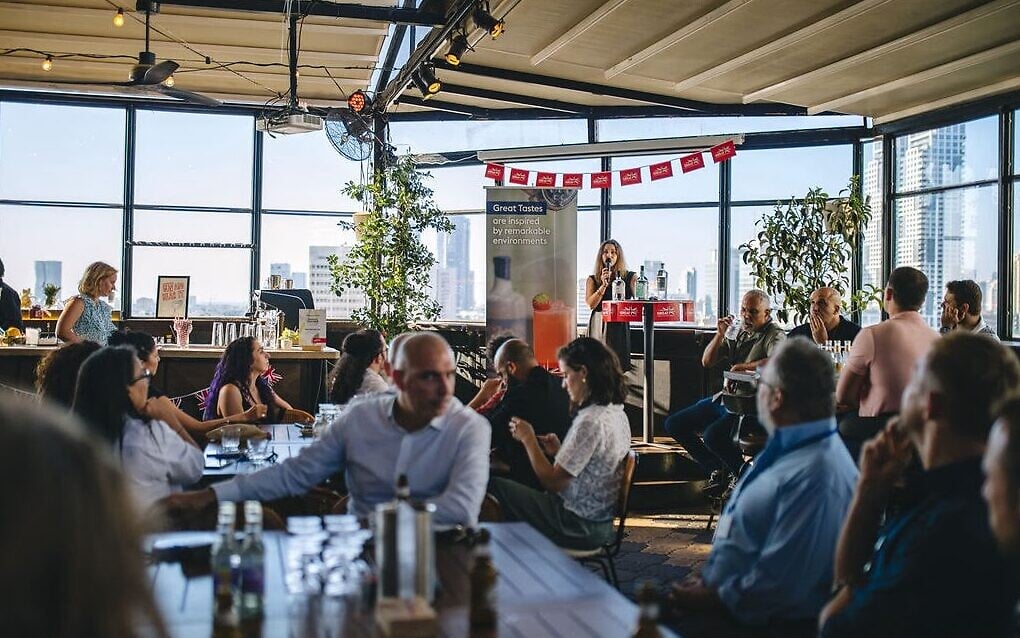
The British Embassy and the UK Department for Business and Trade hosted a tasting this week of new British gins being introduced to the Israeli market.
Israel is a “tiny country,” said Debbie Shapiro, Country Director for Business and Trade at the British Embassy in Israel, but its trade figures with the UK are outsized, with total trade in goods and services (exports and imports) between the UK and Israel standing at £6 billion ($8 billion) in 2025.
More than 75% of all imported gin in Israel comes from British distilleries, and the UK is globally recognized as the world’s leading producer and exporter of premium gin, with over 50% of the spirit’s exports originating in the UK.
Several established UK brands and mixers are already available in Israel, including The Botanist, Greenall’s Gin, Tanqueray Gin and Fever-Tree tonics, Bombay Sapphire and Franklin & Sons Tonics.
Israel also has some of its own unique gins, including several that incorporate local botanicals like citron, Medjool dates and sumac. There’s also local distillery M&H’s Levantine Gin, with a blend of hyssop and lemon verbena, which was also available at the tasting.
This country is still considered a strong boutique market for British gin, UK Ambassador Simon Walters said.
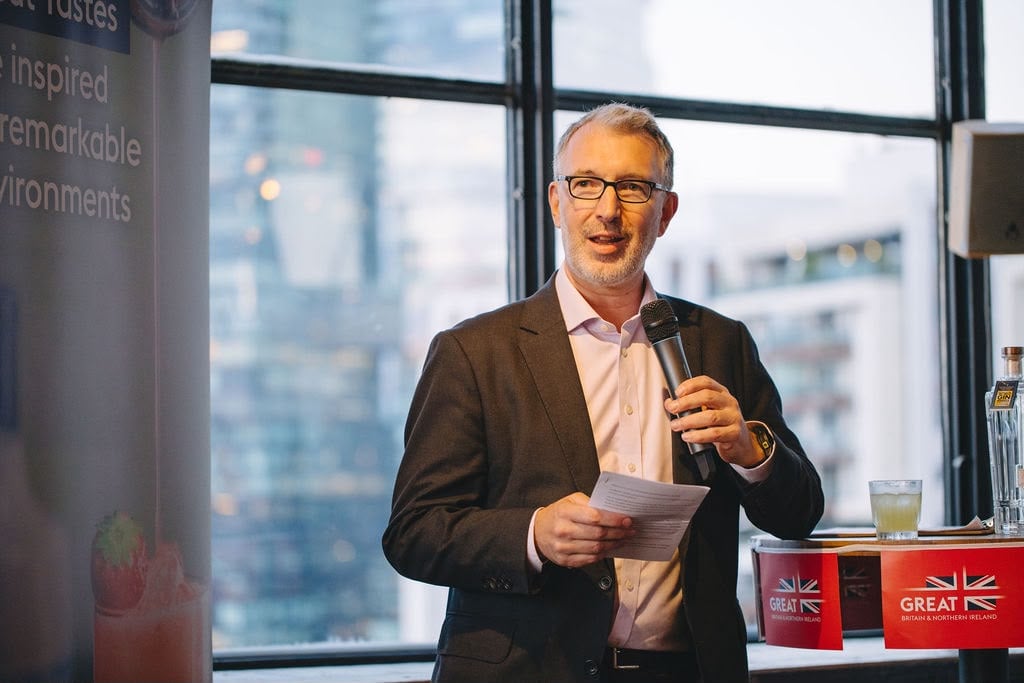
“Israel is an important market for British gin, with growing demand for premium brands and distinctive products,” Walters said at the event. “We hope this event will spark new partnerships and create further opportunities for trade between our two countries.”
UK exports of gin to Israel were worth almost £4 million ($5.4 million) in 2024, according to embassy figures.
On Monday, guests attended a gin masterclass hosted by Andrew Parsons, Master Distiller and co-founder of Sky Wave Gin, followed by a networking reception connecting UK producers with Israeli distributors, buyers and hospitality professionals.
“We always bring someone in to show that there’s true interest, not just a marketing story,” said Shapiro. “We bring in someone who wants to actively engage with the local market.”
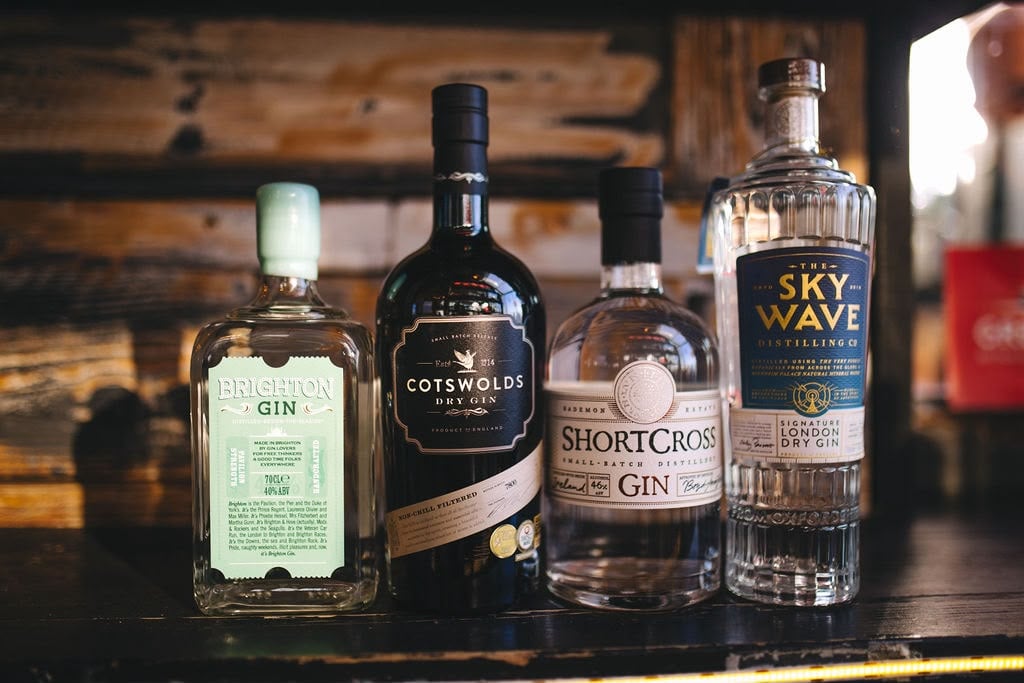
Parsons introduced four gin brands aiming to enter the Israeli market: England’s Brighton Gin, Northern Ireland’s Shortcross Gin, his Sky Wave Signature London Dry Gin and Cotswolds Dry Gin.
After tasting the four gins, guests chose from two gin cocktails: a straight-up, gin-and-cucumber tonic and a tomato gin and tonic, mixed with gin, crushed cherry tomatoes and grated ginger.
There were British snacks as well: small plates of fish and chips, beans and eggs on toast, and curry-smothered tofu.
“We’re throwing this party to continue to encourage trade in both directions,” said Shapiro. “It’s possible to do events like this again, and not just focus on politics.”