BAKU, Azerbaijan, June 16. The military
escalation that began in June last year between the United States,
Israel, and Iran gradually eased after 12 days of confrontation, as
the parties chose diplomatic channels and the resumption of nuclear
negotiations. However, the renewed tensions on February 28 of this
year demonstrated that the conflict had entered a more dangerous
phase. The return of military confrontation to the agenda created
serious risks not only for the countries of the region but also for
the global economy.
The deepening of the conflict had a negative impact not only on
security issues but also on international trade, energy markets,
transit routes, and cargo transportation.
The situation was further complicated by restrictions imposed by
Iran in the Strait of Hormuz, one of the world’s most important
energy transportation arteries, as well as the maritime blockade
toward the Gulf of Oman carried out by the United States in
response. These measures increased uncertainty in global energy
markets and led to sharp fluctuations in oil and gas prices.
Rising tensions also negatively affected the implementation of
economic projects in the Middle East, regional integration
processes, and the long-term development strategies of
countries.
Recent developments indicate that the parties prefer a
diplomatic settlement rather than continuing military
confrontation. Significant progress has reportedly been made toward
reaching an agreement as a result of intensive negotiations between
the United States and Iran. Against this backdrop, reports that a
peace memorandum will be signed between the parties in Switzerland
in the coming days have further raised hopes for the restoration of
stability in the region.
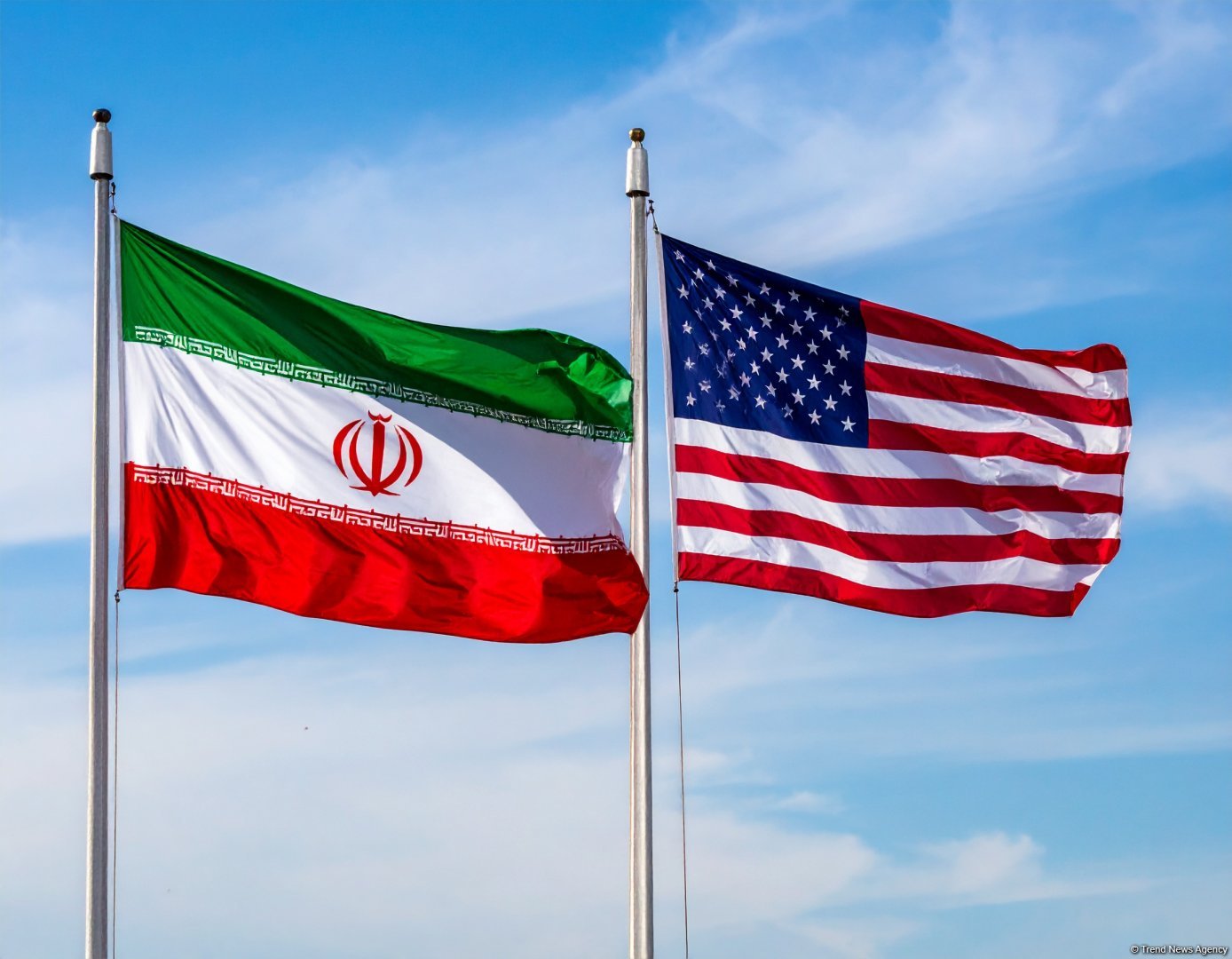
Interestingly, both Washington and Tehran are presenting the
outcome as a diplomatic victory. U.S. President Donald Trump stated
on the Truth Social platform that an agreement with Iran had been
reached, announcing that the Strait of Hormuz would be opened to
international shipping without tariffs and that the U.S. maritime
blockade would be lifted immediately by his order.
Iranian President Masoud Pezeshkian, in turn, described the
agreement as an important victory for Iranian diplomacy. He noted
that in recent weeks Iran had managed to resolve most existing
problems with neighboring countries and that the main focus would
now be on expanding regional cooperation, strengthening economic
ties, and developing mutually beneficial projects.
During the continuation of the conflict, a number of regional
and international actors initiated mediation efforts between the
parties, working to reduce tensions and ensure peace. These
initiatives played an important role in preserving the prospects
for a diplomatic settlement.
Overall, the agreement reached between the United States and
Iran is significant not only in terms of normalizing relations
between the two countries but also for strengthening regional
peace, restoring international trade, and enhancing global economic
stability. In particular, for energy-exporting and transit
countries, this agreement could open new economic opportunities,
improve the investment climate, and boost trade turnover.
In this context, the agreement can be seen as an important
turning point not only for the United States and Iran but also for
the future development of the entire region and the stability of
international economic relations.
