
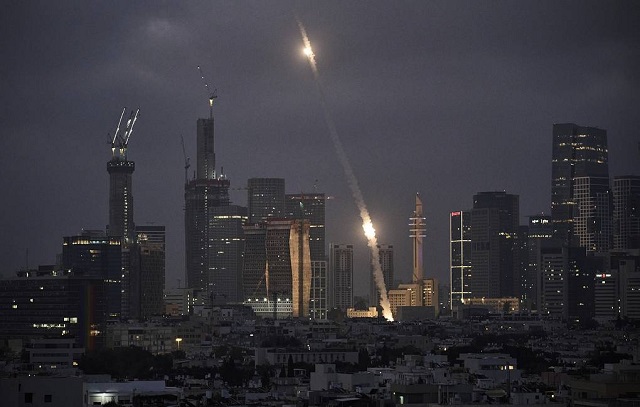
OPINION | ERIC MUDOKO | The Middle East conflict since February 2026 has disrupted normal life globally.
Despite seemingly distant, Uganda’s agriculture sector has become one of the causalities.
The impact has ranged from disruption in fertiliser importation, costly fuel, and export of farm products.
Trade data from World Integrated Trade Solution 2024 indicate that Uganda imported fertilisers worth approximately USD 54.75 million in 2024, of which nearly 40% originated from the Middle East and Gulf region. This underscores how important the region is to Uganda.
The blockade of the Strait of Hormuz has disrupted a route through which nearly 30% of the world’s seaborne fertilizer and raw materials such as urea and sulfur pass. This, combined with reported damage to key energy hubs in the gulf, has spiked fertilizer costs. Ugandan farms are trying to catch up on fertiliser use, and the current disruptions could slow down the pace to adopt inorganic fertiliser usage.
The conflict has further created uncertainty around global oil production, shipping routes, and energy supply chains. Brent crude oil prices increased by more than 40%, rising from about USD 72 to over USD 106 per barrel. This has already transmitted into Uganda’s domestic economy, where petrol prices increased from UGX 5,130 to UGX 6,000 per litre, while diesel prices rose from UGX 4,739 to UGX 5,900 per litre between February and May 2026 according to industry data.
Diesel is important for Uganda’s agricultural economy because it powers tractors, irrigation pumps, milling machinery, agro-processing facilities, and transportation of produce from farms to markets or farm inputs from towns to the gardens.
Rising fuel prices, therefore, increase agricultural production and transport costs across the value chain and raising food prices. This is evident with WITS 2023 data which indicate that Uganda imported fuel approximately USD 1.634 billion from Middle Eastern countries alone- United Arab Emirates, Saudi Arabia, Oman, and Kuwait which demonstrates Uganda’s reliance on Middle Eastern energy markets and its exposure to external geopolitical shocks.
The Ministry of Finance Performance of the Economy Report further confirms that Uganda’s export earnings fell from USD 1.454 billion in January 2026 to USD 1.374 billion in February 2026, representing a 5.5% decline. The decline was mainly attributed to reduced export receipts from gold, beans, fish and fish products, and oil re-exports, partly linked to disruptions in Middle East trade markets.
Uganda’s exports to the United Arab Emirates also declined from approximately USD 703.5 million in January 2026 to about USD 644.9 million in February 2026 according to bank of Uganda Data, reflecting growing pressure on trade and exports associated with the conflict.
Government should expedite efforts to invest in domestic fertiliser production by strengthening existing factories in Tororo, particularly the Sukulu Phosphate Fertiliser Factory (Osukuru Industrial Complex) and the former Tororo Industrial Chemicals and Fertilisers (TICAF).
To reduce fuel-related vulnerabilities, government should accelerate investment in strategic petroleum reserves from the current levels of approximately 22 days to 30 days fuel to at least 90–120 days of national fuel reserve capacity. Government should also diversify refined fuel import sources beyond the Middle East and fast- track domestic oil production and refinery development. These interventions would reduce Uganda’s exposure to external fuel price shocks, stabilise agricultural production and transport costs, and strengthen long-term energy security.
In addition, government should promote agro processing, diversify export markets, and support firms with affordable finance, standards certification, and logistics infrastructure to improve competitiveness.
****
 The author is a research associate at Economic Policy Research Centre

