03.08.2026 16:46
Iran-backed Houthis in Yemen are preparing to charge transit fees from commercial ships passing through the Bab el-Mandeb Strait. While Chinese ships are planned to be exempt from this practice, if implemented, it is expected to increase global trade costs, negatively affect energy shipments, and add a new dimension to tensions between the US, Israel, and Iran.
Iran-backed Houthis in Yemen, after declaring a naval blockade against Saudi Arabia last week, are now working on a new step that would directly affect international trade. Regional sources speaking to Reuters reported that the Houthis are considering charging transit fees from commercial ships passing through the strategically important Bab el-Mandeb Strait, which connects the Red Sea to the Gulf of Aden.
According to the sources, no date has yet been set for the implementation to begin. The prepared draft also indicated that ships belonging to China are planned to be exempt from this practice.
ALLEGATION OF IRAN’S DIRECT INVOLVEMENT IN THE PROCESS
According to information obtained by Reuters, Iranian officials discussed the fee plan during meetings with Houthi representatives held in Iran this month. Two regional officials familiar with the matter claimed that Iranian advisors subsequently accompanied the Houthis and provided support for the establishment of an authority to manage this fee system.
This allegation has strengthened assessments that Tehran’s role in the Houthis’ maritime strategies is not limited solely to military support but extends to the creation of economic and administrative mechanisms.
WHY IS BAB EL-MANDEB SO CRITICAL?
The Bab el-Mandeb Strait is considered one of the most important transit points for global maritime trade. Through this narrow waterway, which connects the Suez Canal to the Indian Ocean;
– A significant portion of Europe-Asia trade,
– Oil and LNG shipments,
– Container transportation,
– A large part of global supply chains pass.
Therefore, any new crisis in the strait directly affects not only regional countries but also the economies of Europe, Asia, and the USA.
COSTS IN GLOBAL TRADE MAY RISE
According to experts, if the Houthis begin charging fees from ships, maritime transportation costs could increase significantly.
If shipowners reflect the additional costs on freight rates;
– Prices of imported products may rise.
– New pressure may be created on global inflation.
– Delivery times may lengthen.
– Some companies may have to turn again to the Cape of Good Hope route.
This situation is cited among developments that could increase cost pressure, especially in the energy, automotive, electronics, and retail sectors.
A NEW TENSION HEADING FOR THE USA AND ISRAEL
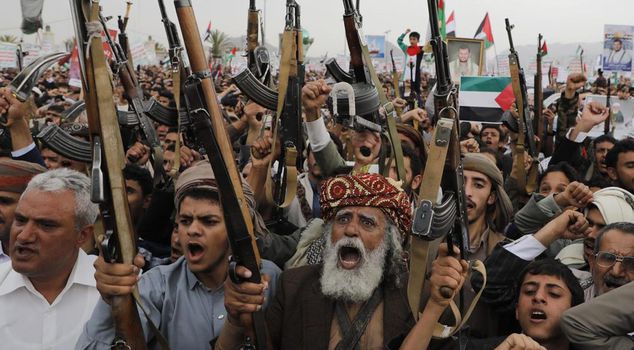
The Houthis have carried out numerous attacks in recent months on ships they claim are linked to Israel and on commercial maritime traffic in the region. The US-led coalition, meanwhile, is conducting military operations to ensure maritime security in the Red Sea.
If the Houthis effectively implement the transit fee practice, the Washington administration could consider this a new threat to international maritime trade. There is a possibility that such a step could lead the USA to increase its military presence in the region or bring new sanction and operation options onto the agenda.
For Israel, it is assessed that pressure on trade conducted via the Red Sea and connections to the Port of Eilat could further increase.
EXEMPTION FOR CHINA DRAWS ATTENTION
One of the most striking details of the plan is the consideration of exempting Chinese ships from the fee practice.
Experts state that this approach strengthens comments that the Houthis are acting in line with Iran’s regional and global diplomatic balances. China is both one of Iran’s largest energy customers and among the countries that use the Red Sea route intensively.
A NEW ECONOMIC FRONT COULD BE OPENED
If the plan is implemented, the Houthis could, for the first time, begin to earn regular income effectively from international maritime traffic. This could move the security crisis in the Red Sea to a new stage with not only its military but also its economic dimension.
According to experts, this situation, while making the power struggle in the region more complex, could also bring new diplomatic and military discussions regarding the security of global trade routes.