The decision reflects growing concerns over supply disruptions linked to the Iran conflict and instability surrounding the strategically important Strait of Hormuz, through which a major portion of global oil shipments passes every day.
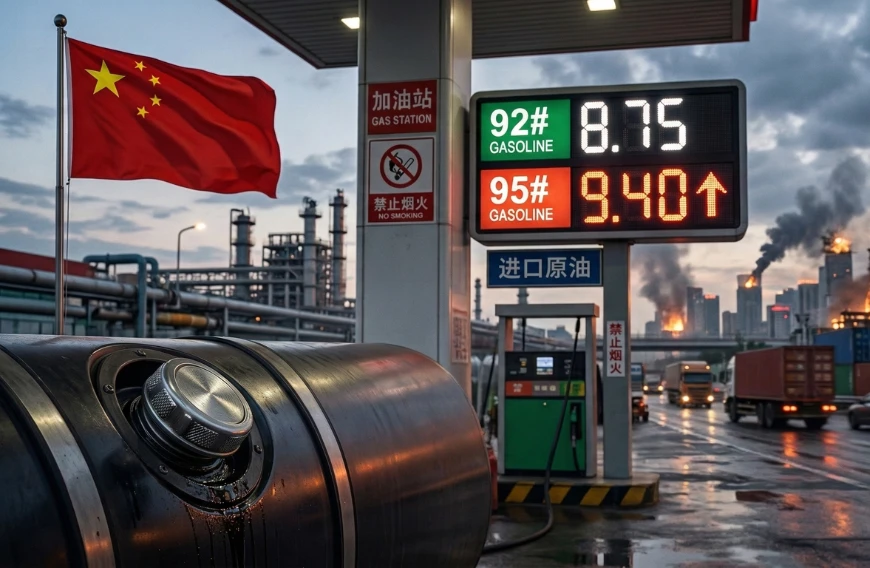
According to China’s state economic planner, retail gasoline prices will rise by 320 yuan per metric ton while diesel prices will increase by 310 yuan per metric ton starting Friday. The revision marks a significant shift after Chinese authorities had earlier reduced domestic fuel price caps in April in an attempt to cushion consumers and industries from sharp international oil price fluctuations.
The latest increase comes at a time when global energy markets remain highly volatile due to geopolitical tensions involving Iran, the United States and Israel. Concerns regarding maritime security and possible disruption of oil shipments through the Strait of Hormuz have triggered uncertainty across international crude markets, affecting both importing and exporting economies.
China’s fuel pricing mechanism operates through periodic government reviews linked to international crude oil trends. When global oil prices rise sharply over sustained periods, domestic retail fuel prices are adjusted accordingly. The new price revision therefore reflects the direct impact of international geopolitical instability on China’s domestic economy and transportation sector.
The decision is expected to influence transportation costs, logistics expenses and industrial operations across China, which remains the world’s largest crude oil importer. Rising fuel prices could also impact inflationary trends in sectors dependent on freight movement and energy-intensive manufacturing activities.