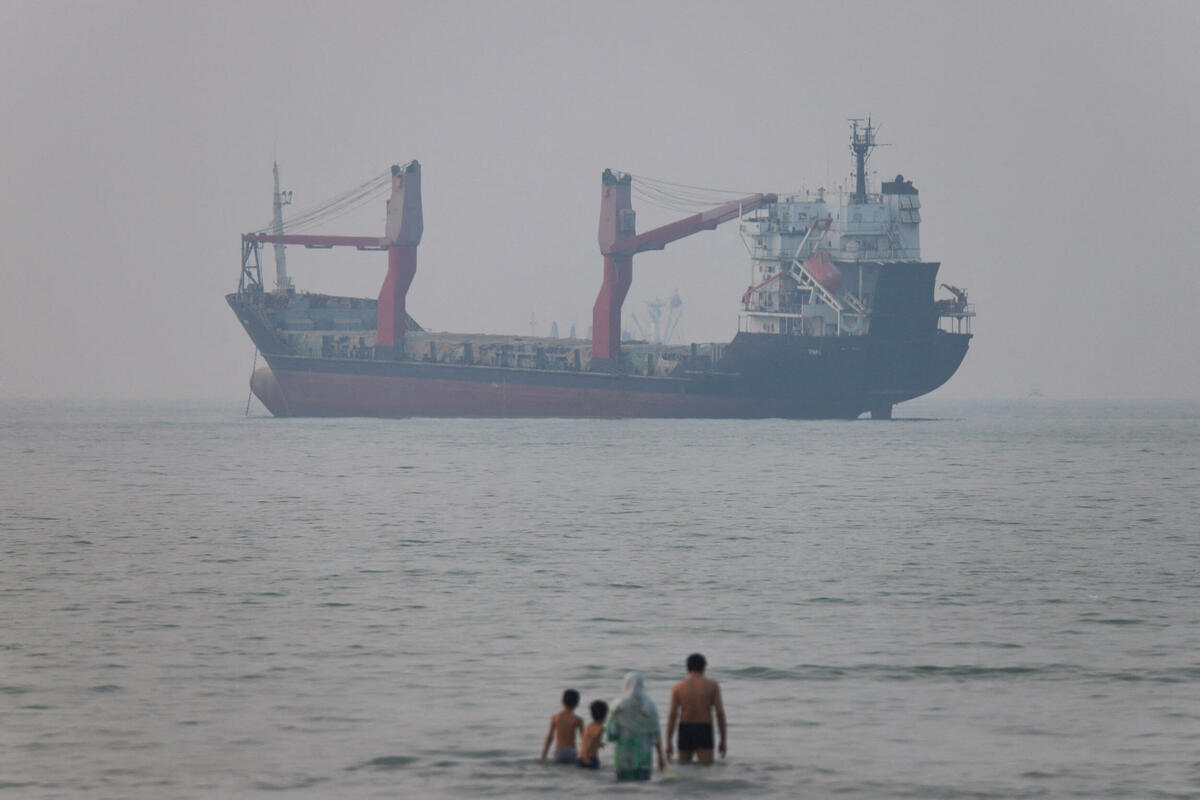
The reopening of the Strait of Hormuz would bring relief to global trade and energy markets, but for many vulnerable economies, the effects of the crisis will not end as soon as ships start passing through again, the United Nations Trade and Development Agency has assessed.
After more than 100 days of transport disruption, shipping traffic through one of the world’s most important energy corridors could gradually be restored. Energy markets are expected to react faster than food supply systems and public finances.
The fourth edition of the United Nations Trade and Development Agency (UNCTAD) report series tracks the economic fallout from more than 100 days of disruption, with a focus on how rising energy, food and transport costs continue to hit vulnerable economies.
Economies that rely heavily on fuel imports are bearing the brunt. In Cape Verde, net imports of oil and petroleum products have averaged 24,6 percent of gross domestic product (GDP) in recent years, meaning that rising fuel prices quickly impact the cost of electricity, transport, food and public finances.
Dependence on food imports poses an additional risk. In Yemen, net imports of cereals and cereal products averaged 10,8 percent of GDP, making households particularly vulnerable to simultaneous increases in cereal, fuel, and transportation prices.
For countries already facing high debt, currency risks and limited budgetary options, this leaves very little room to bear higher import costs.
Higher energy prices also affect food production before it reaches the market. They increase the cost of fertilizer, agricultural inputs, and transportation, so domestic food prices may continue to rise even as international oil and grain prices begin to fall.
However, transportation and food systems are recovering more slowly than oil markets. Transportation contracts need time to adjust and supply chains need time to stabilize.
Therefore, higher prices for fuel, gas, and fertilizers may continue to increase the costs of agricultural production, transportation, and household budgets for a long time, even after the initial shock has subsided.
Such a delay is most severe in countries where food, fuel and transport account for a large share of household spending. For poorer households, even a short period of sharp increases in the prices of basic necessities can have long-term consequences.
UNCTAD’s analysis shows that 61 vulnerable economies face the double risk of being dependent on oil and grain imports. These include 35 least developed countries and 26 small island developing states, with seven countries falling into both categories.
The consequences are not just macroeconomic. The Agency’s analysis also points to the human cost of the crisis: a five percent increase in real food prices is associated with a higher risk of acute malnutrition in children, especially among poor children and children from landless rural households.
Recovery requires more than just reopening the straits. Vulnerable economies need support to cope with higher import bills, protect populations from sudden increases in food and fuel prices, and invest in systems that will reduce their exposure to similar shocks before the next crisis hits household budgets again, it said.
Download the app and follow the news


FOLLOW US ON

News

![Azerbaijan turns SCO partnership into broader Eurasian economic strategy [ANALYSIS]](https://www.azernews.az/media/2023/02/14/fii-jumo_400x400.jpg "Azerbaijan turns SCO partnership into broader Eurasian economic strategy [ANALYSIS]")