42
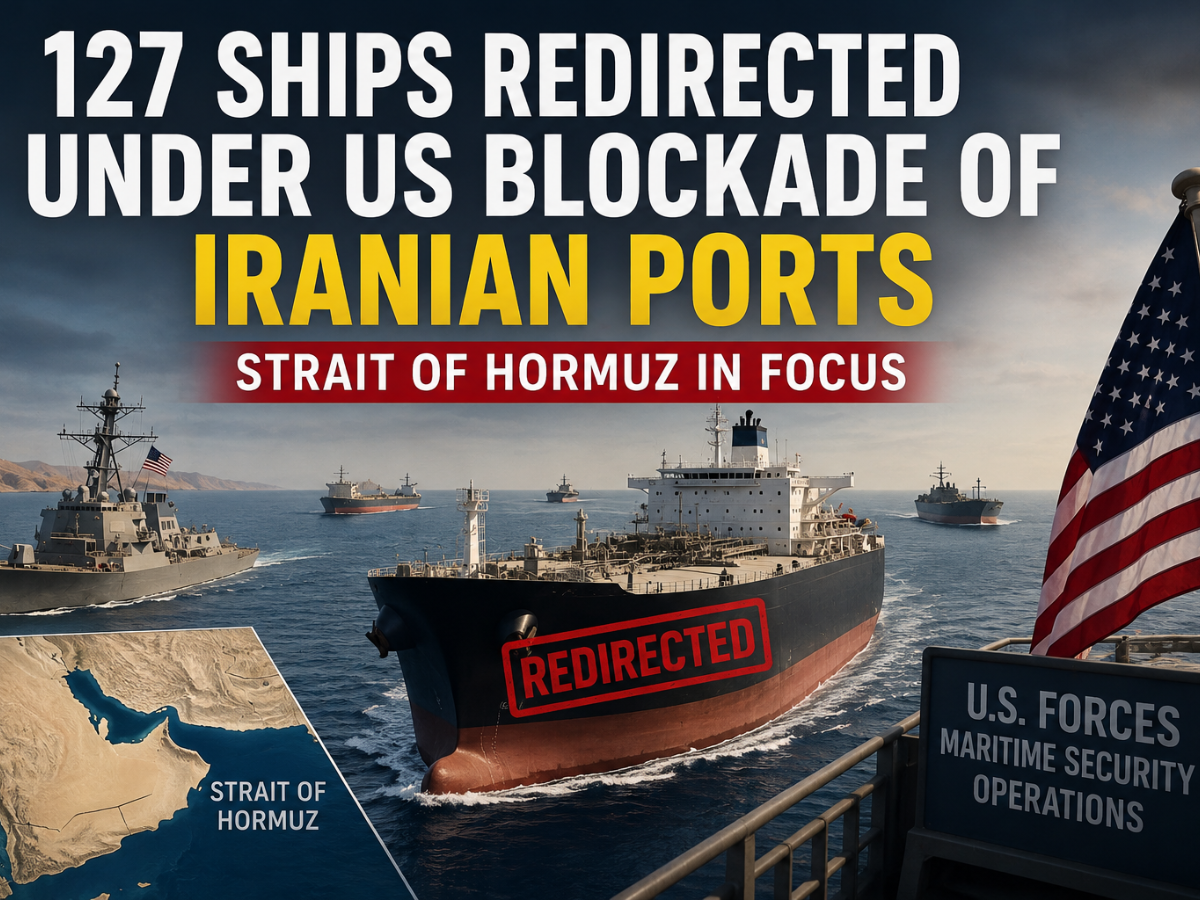
US-Israel-Iran War Live Update: The United States has intensified pressure on Iran by maintaining a blockade of key Iranian ports, with US Central Command (CENTCOM) reporting that 127 commercial vessels have been redirected since the restrictions were imposed.
According to CENTCOM, six vessels were also disabled during enforcement operations, while 36 ships carrying humanitarian aid were permitted to continue their journeys. The measures form part of the Trump administration’s broader strategy to pressure Iran into reaching a deal to end the conflict and reopen the strategically vital Strait of Hormuz.
Why Has the US Redirected 127 Commercial Vessels?
CENTCOM said the vessel redirections are part of ongoing efforts to enforce restrictions on Iranian maritime trade and increase economic pressure on Tehran. The blockade aims to limit access to Iranian ports while disrupting trade routes that could support the country’s war effort.
The United States has argued that economic and logistical pressure is necessary to bring Iran back to negotiations and secure an end to hostilities.
What Did CENTCOM Say About the Blockade?
In its latest update, CENTCOM reported that 127 commercial ships had been redirected and six vessels disabled during blockade operations. At the same time, military officials emphasized that humanitarian assistance remains exempt from the restrictions.
A total of 36 vessels carrying humanitarian supplies were allowed safe passage, reflecting efforts to avoid disrupting aid deliveries to civilian populations.
Why Is the Strait of Hormuz So Important?
The Strait of Hormuz is one of the world’s most critical energy chokepoints, connecting the Persian Gulf to international shipping routes. A significant portion of global oil exports passes through the narrow waterway each day.
The closure of the strait has disrupted global energy markets, contributing to higher oil prices and increasing concerns about international trade and economic stability.
How Is the Trump Administration Using the Blockade to Pressure Iran?
The Trump administration views the blockade as a key tool for increasing economic pressure on Iran. U.S. officials have repeatedly stated that restrictions will remain in place until Iran agrees to measures aimed at ending the conflict and restoring freedom of navigation through the Strait of Hormuz.
Washington believes limiting maritime access can reduce Iran’s economic resources while encouraging diplomatic negotiations.
What Could Be the Global Impact of the Blockade?
The continued disruption of shipping routes has raised concerns among global markets, energy traders, and governments. Higher transportation costs, supply-chain disruptions, and rising oil prices have already affected economies around the world.
Analysts warn that a prolonged blockade could place additional pressure on global trade and energy supplies, particularly if tensions in the region continue to escalate.
Military and diplomatic efforts are expected to continue as both sides assess their next moves. While the United States maintains pressure through economic and maritime restrictions, international observers are closely watching for signs of renewed negotiations that could help de-escalate the conflict and restore stability to one of the world’s most strategically important regions.
