

Wix, Rapyd and Amdocs became the latest Israeli tech firms to join a wave of layoffs to tighten operations, cut costs and reorganize their staff amid pressure to adapt to the new automation era.
Wix, a maker of do-it-yourself website building software, on Thursday confirmed reports that it is cutting as many as 1,000 employees — or about 20 percent of its workforce in Israel and abroad — as the continued strength of the shekel has been driving up costs. The job cuts were announced after the eCommerce platform provider posted a loss in the first quarter of this year and made investments in AI-related tools.
“It is clear to us that in this new era, companies need to make this change in order to lead and compete or risk falling behind,” Wix co-founder and CEO Avishai Abrahami said in a message to employees. “We need to become a faster, leaner, and flatter organization.”
“We are doing this as a company-wide change, a decision that will impact the entire organization, driven by how we need to operate going forward,” Abrahami said.
As the first reason for the round of layoffs, Abrahami cited the shekel’s fast appreciation over the past few quarters, which was driving up costs. The local currency, which has gained more than 20% over the past 12 months and reached a 33-year-high against the dollar, has been hurting many Israeli firms’ profits as they mainly sell globally and earn mostly in dollars. However, they pay workers’ salaries, overhead costs, taxes and other expenses in shekels, which have become more expensive due to the strength of the local currency.
This is forcing businesses to make tough decisions, with painful domestic consequences for employees and the economy.

“As the majority of our teams are Israel-based, a very meaningful portion of our costs is shekel-denominated, while our revenue is largely dollar-denominated,” said Abrahami. “This creates a structural pressure on our ability to operate at our current scale.”
“It is a reality that directly shapes what is sustainable for our company,” he cautioned.
Founded in 2006, Wix is listed on the Nasdaq with a market cap of about $2.2 billion. At the end of March, the tech firm employed 5,277 people, of whom more than 60% are based in Israel.
Local tech exporters and manufacturers have long been warning about the increasingly damaging impact of the strong shekel on Israel’s industry and economy, while urging the Bank of Israel and the Finance Ministry to intervene and slow the continued appreciation of the local currency.
“Regrettably, without any government action, industry and high-tech firms will make decisions solely on an economic basis,” stated the Israel Manufacturers’ Association.
As the second reason for the job cuts, Abrahami listed the “fast evolution of AI capabilities” and the need to shift to “AI-native ways of working.”

“We have witnessed the most significant shift in how companies are built since the invention of modern programming languages in the 1970s,” said Abrahami. “This is not just about adopting new tools – it is about rewiring how companies are built, how they think, how they manage and how they operate.”
“Companies that embrace this change will not only build faster; they will build things the previous generation literally could not have imagined,” he emphasized.
Similarly, the fintech unicorn Rapyd said it was undergoing a major organizational restructuring to transition to a fintech platform provider that places AI at the heart of its business to grow faster and operate more efficiently.
Rapyd did not disclose any details regarding the scale of the planned layoffs, other than that it will rely on a more focused and professional team. Rapyd employs around 700 people globally, including its Tel Aviv-based workforce.
“Today we are restructuring Rapyd to align with a fundamental shift in our business model: Rapyd is now a company operated by AI,” Rapyd CEO Arik Shtilman announced in a letter to employees. “This is not a future goal; it is our current reality. By embedding AI as the centralized system that runs our global operations, we have fundamentally changed how work gets done.”
“The company is growing and profitable…We are making a deliberate choice to reallocate our resources into our platform capabilities and AI investments that will drive our next phase of growth,” Shtilman said.
The fintech-as-a-service platform offers an array of financial services that facilitate local and cross-border payments for businesses. Its offerings include digital wallets, fraud protection, money transfers, invoicing, multi-currency support and point of sale solutions.
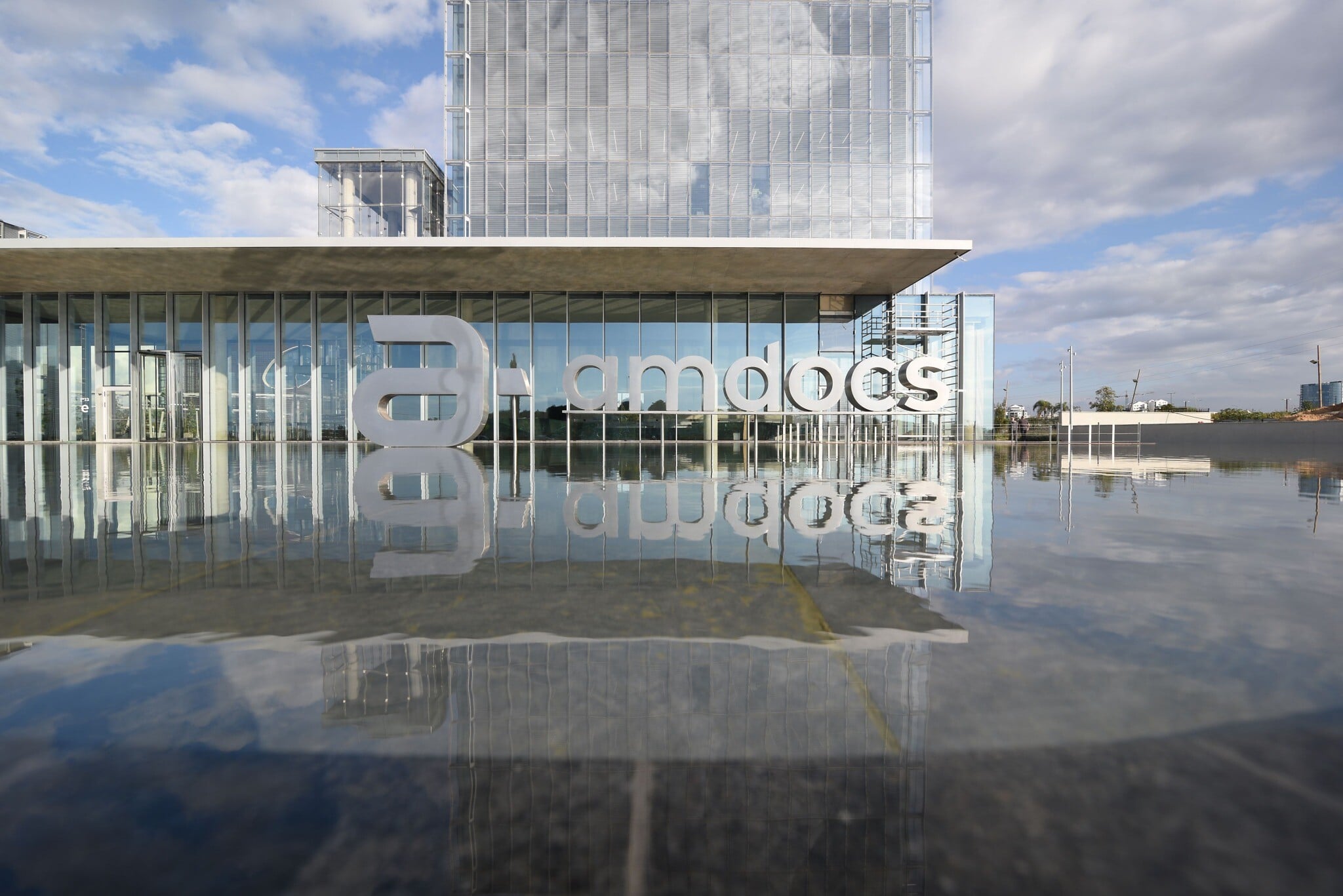
Israeli-founded software and communications firm Amdocs is said to be preparing to reduce its global workforce by 10%, which is slated to affect as many as 3,000 employees, including hundreds in Israel, according to Hebrew media reports. The move comes after the software giant’s new CEO, Shimie Hortig, assumed his role earlier this year.
In response, Amdocs said that its “new leadership is currently leading a broad process to redesign the company’s operating model and strengthen its global leadership,” while adapting work processes to the AI era.
“As part of this process, the status and strategic importance of the company’s operations in Israel are also expected to be strengthened,” Amdocs said. “At this stage, it is not possible to address concrete details, as some of the processes are still under review.”
Amdocs was co-founded in 1982 by Boaz Dotan and the late South African-Israeli billionaire and philanthropist Morris Kahn to develop a billing software platform, later moving into software services for communications providers, media companies, and financial and digital enterprises.
Israeli-founded tech firms have joined the layoffs announced in recent weeks by global tech heavyweights, including Meta, Microsoft and Coinbase.
Earlier this month, dozens of Meta Israel employees received dismissal notices, as the US tech titan embarked on a wave of layoffs aimed at trimming 10% of its global workforce to offset investing billions of dollars toward AI infrastructure.
The wave of layoffs is also sweeping through startups and smaller tech firms in Israel.
Also this month, Israel-based AI startup AI21 Labs, a natural language processing (NLP) startup, announced a major organizational restructuring, cutting about 60% of its staff, according to reports in the Hebrew press. The deep cuts will leave mainly experienced research and product development staff on their own to develop its Maestro AI agent management system and to improve the algorithms of its language models.
