
THE ongoing geopolitical conflicts across several regions of the world, particularly the escalating tensions in the Middle East and the continued Russia-Ukraine conflict, are creating major disruptions to global transportation and supply chain networks.
These crises are affecting shipping routes, fuel prices, airline operations, freight costs, and international trade, placing enormous pressure on the global economy and the transportation industry.
One of the most critical developments affecting global transportation is the disruption in the Middle East, especially around the Strait of Hormuz. The Strait of Hormuz is one of the world’s most important maritime trade routes, handling nearly one-fifth of global oil and gas shipments. The ongoing conflict involving Iran, the United States, and Israel has significantly disrupted shipping activities in the region, causing uncertainty across global logistics and energy markets.
The transportation industry heavily depends on stable fuel supplies, and any disruption to oil transportation immediately affects logistics costs worldwide. Rising crude oil prices caused by the conflict have increased fuel costs for shipping companies, airlines, trucking operators, and public transportation services. Freight companies are imposing fuel surcharges while airlines are facing higher operating expenses due to rising jet fuel prices.
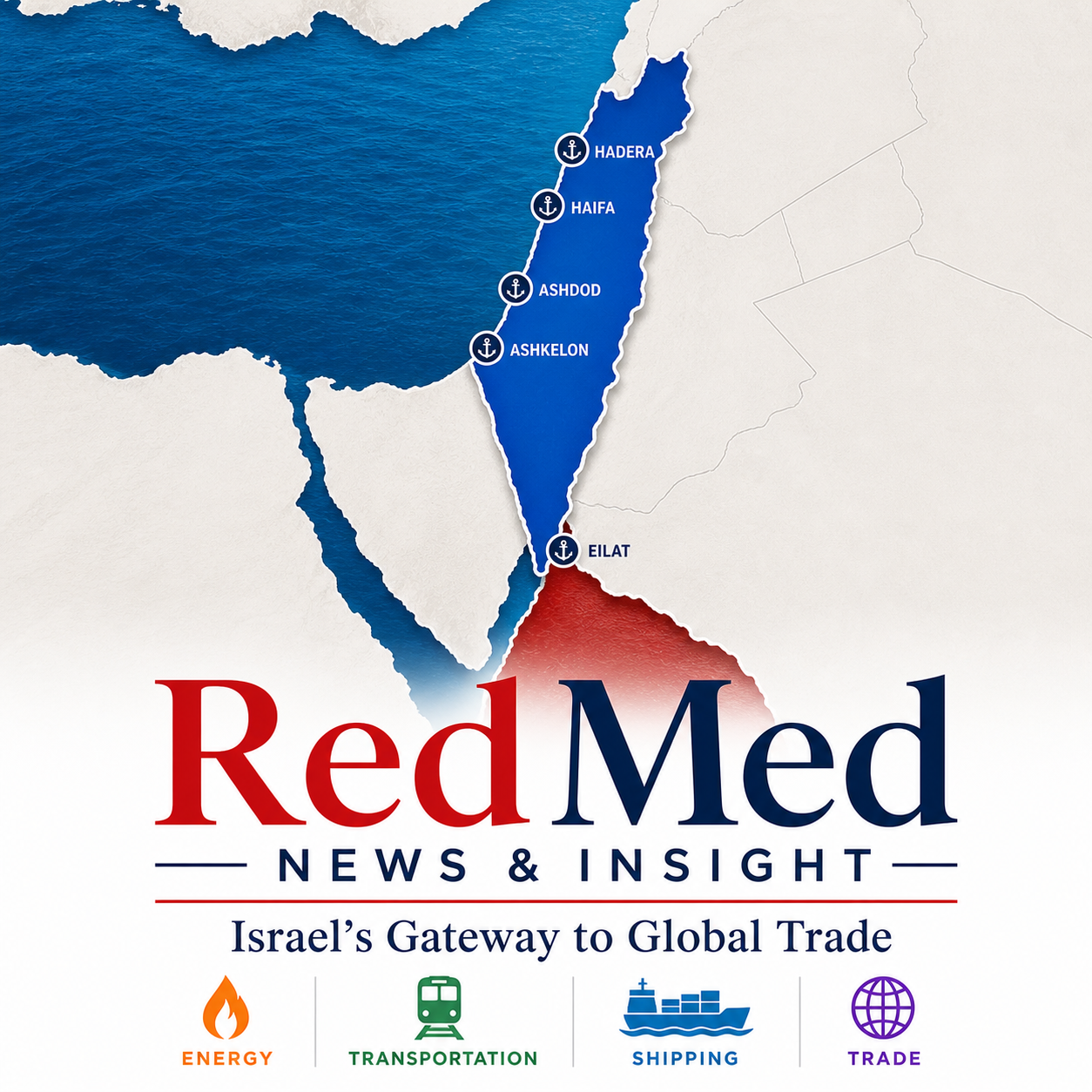
Maritime transportation has been one of the most affected sectors. Several international shipping companies have been forced to reroute vessels away from conflict zones and high-risk maritime corridors. The practical closure and instability around the Strait of Hormuz and continued security threats in nearby waters have caused severe delays in cargo transportation. Shipping companies are now using longer alternative routes, including diversions around the Cape of Good Hope in Africa, which significantly increases transit times and operational costs.
