Iran has exempted merchant vessels from India, China, Iraq and Qatar from restrictions on passage through the strategically important Strait of Hormuz, an influential Iranian lawmaker has said. The decision comes amid escalating tensions between Tehran, Washington and Israel, which have disrupted shipping activity and raised concerns over global energy supplies.
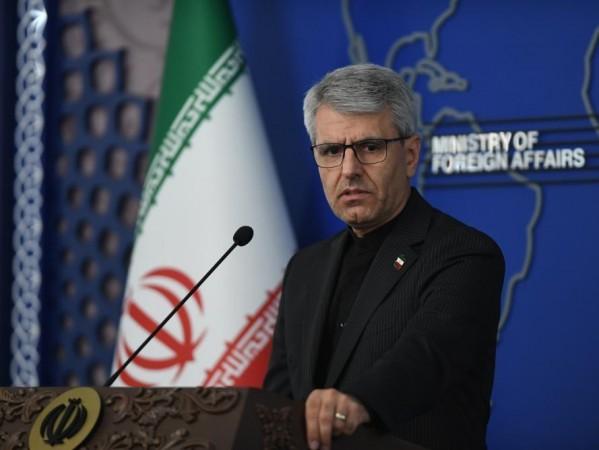
Amir Hayat-Moghaddam, deputy chairman of the Iranian Parliament’s National Security and Foreign Policy Committee, said vessels from the four countries are currently allowed to pass through the crucial waterway without restrictions.
“We have currently exempted India, China, Iraq and Qatar from transit restrictions in the Strait of Hormuz. Ships from these countries pass freely, and the Americans do not intercept them either,” he said in an interview with the Iranian Students’ News Agency (ISNA) on Tuesday, November 3.
Why Has Iran Exempted Indian Ships From Hormuz Restrictions?
Explaining the reasons behind the exemptions, Hayat-Moghaddam said Iran was facilitating the passage of Indian vessels to enable Tehran to procure medicines from India.
He added that the exemption for Chinese ships was aimed at securing political support from Beijing amid the ongoing conflict.
The Iranian lawmaker also clarified that Tehran collects transit fees from Indian and Chinese vessels, while Qatari ships are allowed to pass through the Strait of Hormuz without paying any charges. He did not specify whether Iraqi vessels are required to pay transit fees.
The exemptions, he indicated, were based on Iran’s specific interests and arrangements with the respective countries.
Why Is The Strait Of Hormuz Important For India?
The Strait of Hormuz is one of the world’s most important maritime energy routes, connecting the Persian Gulf with the Gulf of Oman and the Arabian Sea. A significant portion of global crude oil, natural gas and petroleum shipments passes through this narrow waterway.
For India, the route is particularly important as the country imports nearly 90% of its crude oil requirements, with around 30% of its current crude imports passing through the Strait of Hormuz.
India’s dependence on the route has declined from earlier levels as New Delhi diversified its energy supplies by increasing purchases from Russia, the United States, West Africa and Fujairah in the UAE.
However, the country’s dependence on the waterway remains substantial. Around 90% of India’s liquefied petroleum gas (LPG) imports transit through the Strait of Hormuz, while more than 50% of its liquefied natural gas (LNG) imports from Qatar and the UAE also pass through the route.
The waterway is also important for India’s fertiliser imports, making any disruption a concern for the country’s energy security and agricultural sector.
US-Iran War Raises Concerns Over Global Oil Supplies
The exemptions come against the backdrop of the ongoing conflict involving Iran, the United States and Israel, which has significantly heightened security concerns across West Asia.
The United States and Israel launched military operations against Iran on February 28, 2026. A ceasefire was reached in April, but fighting resumed in July after diplomatic efforts to resolve the conflict stalled.
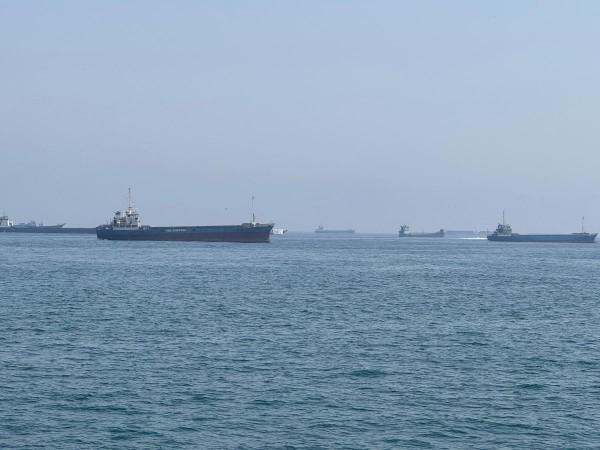
The Strait of Hormuz has remained at the centre of the confrontation, with restrictions and security threats affecting commercial shipping and energy transportation.
Iran’s decision to allow vessels from four countries to pass through the waterway could provide some relief to their shipping and trade operations. However, the broader security situation remains uncertain, with disruptions posing risks to global oil and gas supplies.
The development is particularly significant for India, given its dependence on energy imports and the importance of uninterrupted maritime trade through the Gulf region.