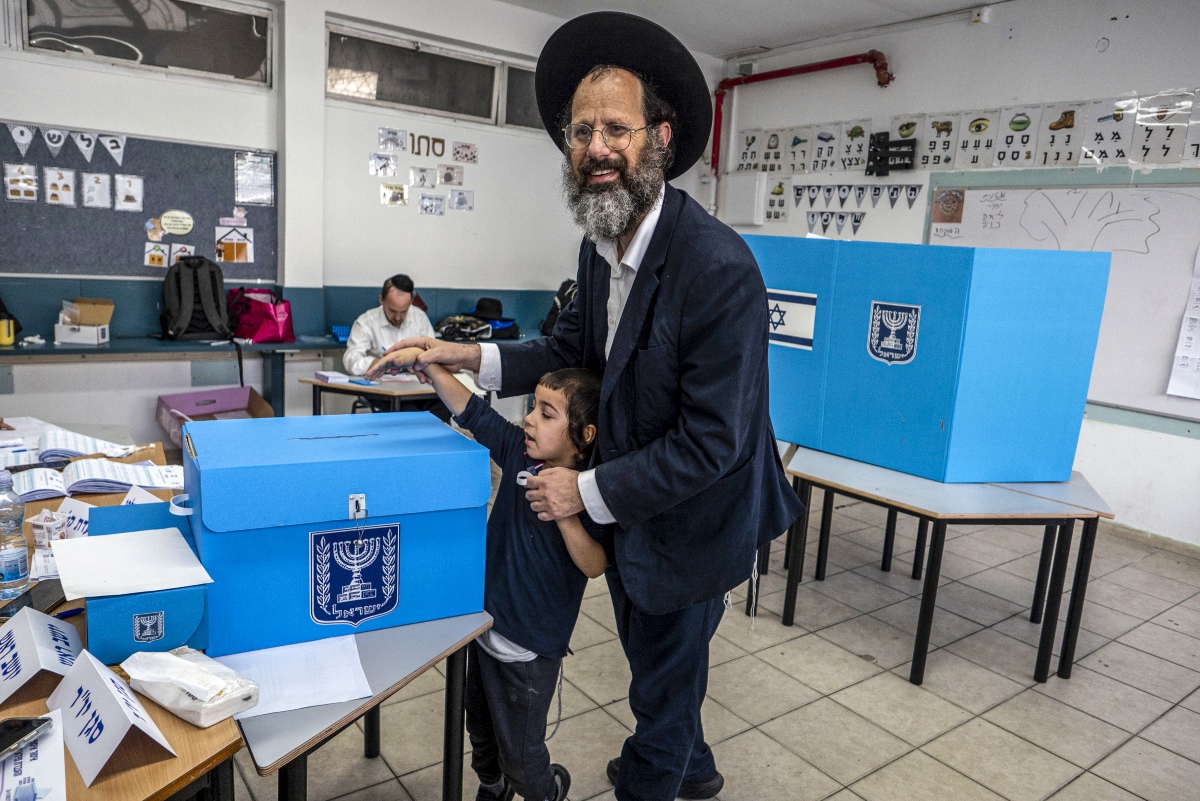
The notable element is not the forecast of eventual resumption but the calendar logic attached to it: reported timing is being framed around Israeli and US midterm elections rather than operational readiness alone. Single-outlet sourcing attributed to unnamed security sources has a mixed precedent in leak-driven security coverage, and markets have historically treated such items as optionality to be repriced in crude timespreads, tanker insurance and war-risk premia, gold, and defensive yen, dollar and franc bids rather than as confirmation of imminent action. The distinction that matters is postponed action versus abandoned action: an election-conditioned delay still preserves the later trigger, whereas verified de-escalation would show up in different tells. In comparable episodes, headline-led energy and haven buying has tended to fade when no kinetic follow-through appeared and to re-accelerate on harder signals such as mobilization, airspace or shipping disruption, attacks on energy infrastructure, or confirmation from principals rather than sources. For follow-ons, the relevant channels are prompt crude and product spreads, Hormuz-linked freight and insurance costs, gold’s reaction to real-rate versus haven demand, and whether USD/JPY and EUR/USD moves are tracking oil or general risk tone. As reported sourcing rather than an official decision, the signal is calendar framing with elevated headline sensitivity.