
Iranian media outlets affiliated with or closely aligned with the country’s hardline establishment have published editorials calling for attacks on strategic infrastructure in Israel and several Gulf states following a reported U.S. strike on a railway bridge in northern Iran.
The commentaries specifically mentioned Israel’s port of Haifa, the UAE’s Jebel Ali port, Saudi Arabia’s King Fahd Causeway, and regional oil refineries as potential targets, News.Az reports.
While these statements do not constitute official government policy, they reflect escalating rhetoric amid heightened regional tensions.
What happened?
Following a reported U.S. strike on the Aq Tekeh Khan railway bridge near Aqqala in Iran’s Golestan Province, Iranian hardline media outlets published editorials advocating retaliatory strikes against strategic infrastructure across the Middle East.
The bridge was described by Iranian media as an important transportation link, and commentators argued that its destruction represented an attack on Iran’s transport network rather than solely on military infrastructure. The incident has become part of broader discussions inside Iran about protecting strategic logistics and responding to attacks on national infrastructure.
The editorials appeared as tensions remain elevated following recent military exchanges involving Iran, the United States, and Israel.
Which Iranian media outlets made these statements?
Two prominent Iranian media outlets published the calls.
The first was Fars News Agency, which is widely regarded as being affiliated with Iran’s Islamic Revolutionary Guard Corps (IRGC). In its commentary, Fars argued that Iran should respond by targeting Israel’s Haifa port and the UAE’s Jebel Ali port.
Separately, the conservative newspaper Kayhan, known for its hardline editorial positions, published an opinion piece advocating strikes against the King Fahd Causeway connecting Saudi Arabia and Bahrain, as well as oil refineries across the region.
Although both outlets are influential within Iran’s media landscape, their editorials do not automatically represent official decisions by the Iranian government or military leadership.
What is meant by the “war of corridors”?
Fars News Agency described the reported bridge strike as part of what it called a “war of corridors.”
The phrase refers to growing geopolitical competition over transportation routes, shipping lanes, railways, ports, pipelines, and trade corridors that connect major regional and international markets.
Infrastructure such as rail bridges, ports, and logistics hubs has become increasingly important in international competition because these facilities support both economic activity and military logistics. Disrupting such infrastructure can affect supply chains, trade flows, and military mobility.
By framing the attack as part of a broader contest over strategic transport routes, the editorial suggested that comparable transportation infrastructure belonging to Iran’s rivals could become legitimate retaliatory targets.
Why was Haifa mentioned?
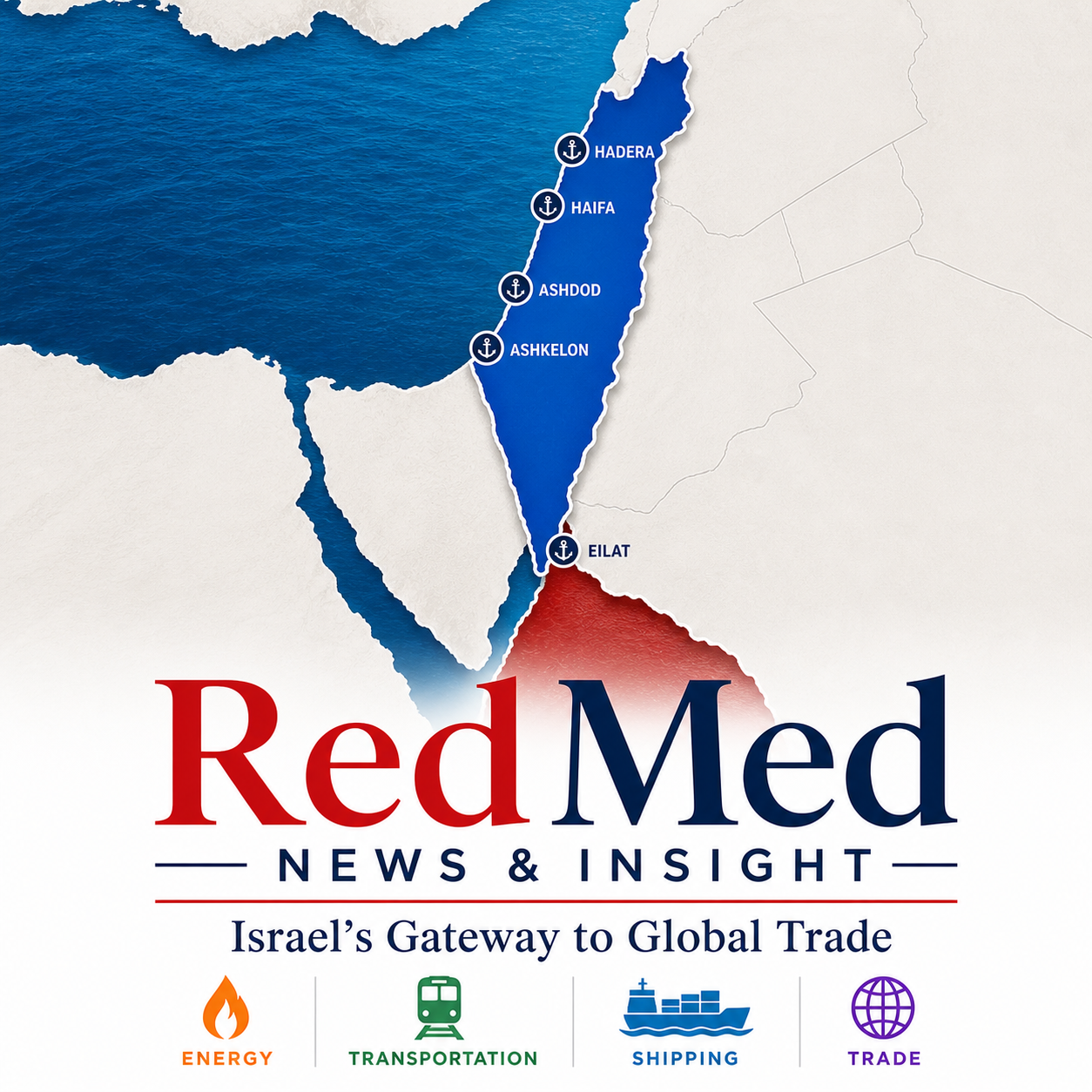
Haifa is one of Israel’s largest commercial ports and serves as a major center for maritime trade, logistics, energy imports, and industrial activity.
Because of its strategic importance, Haifa has frequently been referenced by Iranian officials and Iranian-aligned groups during periods of heightened regional tension. The port also hosts significant infrastructure supporting Israel’s economy and maritime commerce.
Targeting such a facility would represent a major escalation because of its importance to Israel’s commercial shipping network and critical infrastructure.
There has been no indication from Israeli authorities that any attack related to these statements has occurred.
Why is Jebel Ali considered significant?
Jebel Ali, located in Dubai, is the largest man-made harbor in the world and one of the busiest container ports globally. It serves as a critical logistics hub connecting Asia, Europe, Africa, and the Middle East.
The port handles millions of shipping containers annually and supports international trade throughout the Gulf region. It also plays an important role in the UAE’s economy, acting as the centerpiece of Dubai’s extensive logistics and free trade infrastructure.
Because of its economic significance, Jebel Ali is widely regarded as one of the Middle East’s most strategically important commercial facilities. Any threat directed toward such infrastructure naturally attracts international attention because of the potential implications for global shipping and regional commerce.
Why did Kayhan mention the King Fahd Causeway?
The King Fahd Causeway is a major transportation link connecting Saudi Arabia and Bahrain across the Persian Gulf. Opened in 1986, it facilitates the movement of people, goods, and commercial traffic between the two countries.
In its editorial, Kayhan argued that attacks on Iranian infrastructure should be met with reciprocal attacks on regional infrastructure. The newspaper specifically mentioned the causeway as a potential target while also calling for strikes against oil refineries if Iranian energy facilities were attacked.
The editorial reflected the newspaper’s argument that countries hosting U.S. military forces should bear responsibility if military operations against Iran are launched from their territory.
There has been no official indication that Iran intends to carry out such actions.
Why are oil refineries being mentioned?
Oil refineries represent some of the region’s most economically significant infrastructure because they process crude oil into fuels and petroleum products essential for domestic consumption and international exports.
The Middle East is home to many of the world’s largest refining facilities, making energy infrastructure a strategically sensitive issue during periods of regional confrontation.
Kayhan argued that attacks against Iran’s energy infrastructure should be answered with attacks on comparable facilities elsewhere in the region. This reflects a broader concept of reciprocal deterrence that has periodically appeared in Iranian political discourse during times of military tension.
Such statements remain part of media commentary rather than confirmed government policy.
Do these statements represent Iran’s official position?
Not necessarily.
Although Fars News Agency is affiliated with the Islamic Revolutionary Guard Corps and Kayhan is known for reflecting hardline political views, editorials published by media organizations are not equivalent to official government decisions or military orders.
Iran’s foreign policy and military operations are ultimately determined by the country’s senior political and military leadership rather than by newspaper editorials or agency commentaries.
Observers often distinguish between official government statements, military announcements, parliamentary comments, and media opinion pieces when assessing Iran’s intentions.
Why are strategic infrastructure sites increasingly becoming part of regional tensions?
Modern conflicts increasingly involve competition over critical infrastructure rather than purely military facilities.
Ports, airports, bridges, railways, pipelines, electricity networks, communication systems, and energy facilities are all essential components of national economies and military logistics. Damage to such infrastructure can disrupt trade, transportation, industrial production, and government services without necessarily involving direct confrontation between conventional military forces.
Analysts describe this trend as part of broader economic and logistical competition, where infrastructure becomes both a strategic asset and a potential vulnerability during geopolitical crises.
Because many of these facilities also support civilian populations and international commerce, threats against them often raise concerns about regional stability and global economic impacts.
What could these statements mean for regional security?
The publication of such editorials highlights the increasingly confrontational rhetoric surrounding recent developments in the Middle East.
Although media commentary does not necessarily predict future military action, repeated public discussion of attacks against major infrastructure can contribute to heightened tensions and increase international concern about possible escalation.
Regional governments generally monitor such statements closely while continuing to assess official policy announcements and military developments. Diplomatic efforts typically focus on preventing rhetorical escalation from developing into direct military confrontation.
At present, the published editorials remain expressions of opinion by influential Iranian media outlets rather than announced government policy or confirmed operational plans.
