
The intersection of domestic economic policy and international statecraft is rarely as visible as it is in the global trade of critical commodities. On June 29, 2026, U.S. President Donald J. Trump demonstrated this dynamic by declaring a national emergency and temporarily suspending certain anti-dumping and countervailing duties on phosphate fertilizer imports from the Kingdom of Morocco.
This measure, scheduled to last for eight months or until the declared emergency concludes, is designed to ensure that American farmers have reliable access to essential agricultural inputs amid severely disrupted global supply chains.
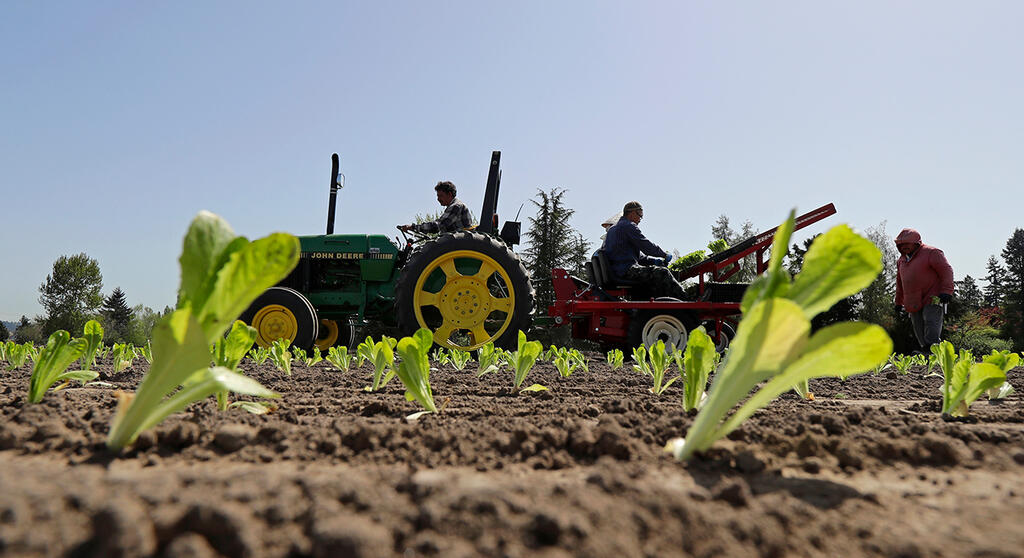
Lettuce farm, Washington
(Photo: AP)
While the immediate rationale for this executive action rests securely within the framework of American food security and agricultural economics, the broader strategic ramifications ripple across the Atlantic, directly impacting the geopolitical architecture of the Middle East and North Africa.
The suspension of these duties represents far more than a minor adjustment to American trade schedules. It is a powerful, calculated affirmation of the strategic trilateral alliance linking the United States, Morocco and Israel.
This partnership, which was forged and subsequently strengthened under the framework of the Abraham Accords, continues to deliver tangible dividends in security, economic cooperation and regional containment. By utilizing market access as an instrument of foreign policy, the administration has signaled a pragmatic approach to alliances, demonstrating that nations that choose normalization and alignment with Western security interests will receive meaningful economic support when cross-cutting global pressures mount.
To understand the strategic value of this decision, one must first examine the critical vulnerabilities within the American agricultural sector. Phosphate is the literal backbone of modern commercial fertilizer, serving as an irreplaceable nutrient for plant health and crop yields.
In recent years, global supply chains have suffered severe shocks, driven by escalating conflicts in major manufacturing regions and protectionist trade strategies adopted by adversarial global powers. These market distortions created an artificial scarcity, driving the cost of fertilizer to unprecedented heights and placing an unsustainable financial burden on the American agricultural heartland.
Prior trade interventions, originally implemented to protect a small number of domestic chemical producers, inadvertently penalized millions of American growers. Farm groups across the United States reported that these tariffs inflated fertilizer expenses by billions of dollars, directly threatening the productivity of core sectors such as corn and soybean cultivation.
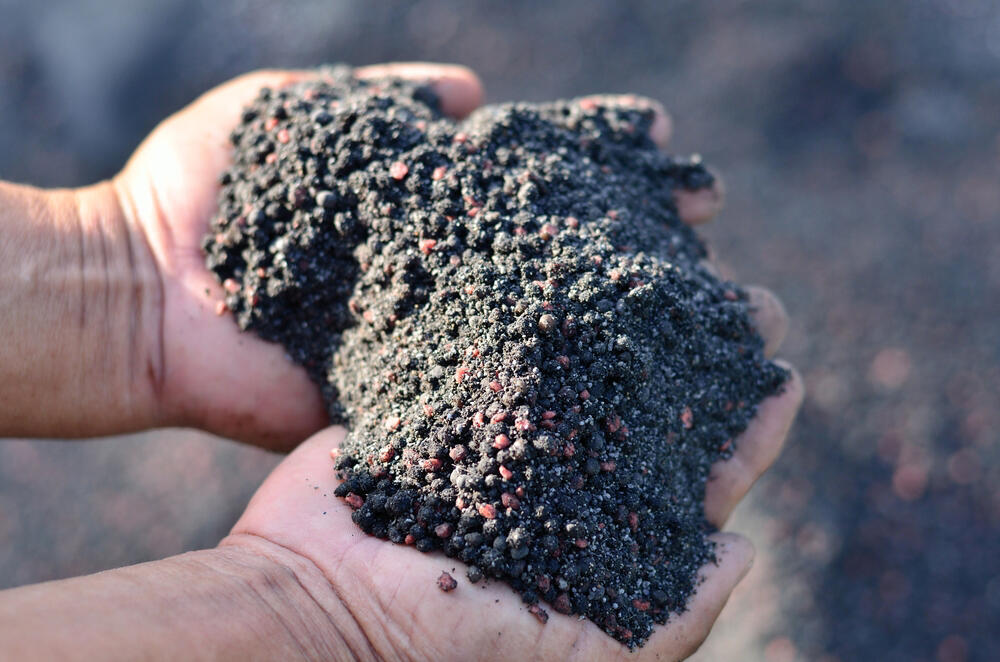
Phosphate fertilizer
(Photo: Shutterstock)
By issuing this emergency proclamation, the White House addressed this domestic vulnerability directly, opening the door to tariff-free imports from Morocco, which holds over seventy percent of the world’s remaining phosphate reserves.
This policy reflects an integration of short-term relief with long-term strategic planning. While the temporary suspension of duties provides immediate breathing room for American farmers ahead of critical planting seasons, the administration is simultaneously advancing a comprehensive domestic resource strategy.
This dual-track approach includes the mobilization of resources under the Defense Production Act to expand the domestic manufacturing of elemental phosphorus, a material vital for both agricultural defense and military applications. It also connects with executive mandates issued earlier in 2026 designed to accelerate domestic agricultural innovation and reduce systemic reliance on volatile foreign supply lines.
By pairing short-term imports from a highly trusted global partner with long-term internal industrial development, the policy secures domestic resilience without retreating into isolationism.
The international dimension of this economic intervention becomes clear when evaluating Morocco’s central position within the modern Middle Eastern security architecture. In December 2020, during the final weeks of the first Trump administration, Morocco officially normalized its diplomatic relations with Israel, transforming decades of low-profile security and intelligence cooperation into an overt, multi-faceted alliance.
This historic breakthrough was predicated on a clear understanding, which included formal American recognition of Moroccan sovereignty over Western Sahara. In the years following the signing of the accords, Rabat and Jerusalem have built a remarkably resilient relationship characterized by direct aviation links, robust bilateral trade and unprecedented defense collaboration.
 Amine Ayoub
By taking steps to economically empower Morocco through expanded phosphate trade, the United States is actively sustaining the economic health of its most reliable North African ally. This move delivers an unambiguous message to the broader region, showing that peace and diplomatic integration with Israel yield substantial, concrete economic benefits. This strategy is particularly relevant at a moment when the durability of the Abraham Accords faces persistent challenges from regional revisionists.
The tangible financial advantages generated by the phosphate trade provide Morocco with additional domestic stability, demonstrating to its population and regional neighbors that its alignment with the West produces measurable national wealth.
The strategic benefits of this policy are viewed with great satisfaction in Jerusalem, where national security officials recognize that a robust Moroccan economy directly strengthens the collective front against shared regional threats.
In the five years since normalization, Israeli-Moroccan synergy has expanded far beyond symbolic diplomacy. The two nations have established sophisticated joint ventures combining Israeli breakthroughs in drip irrigation, cybersecurity and desalinization tech with Morocco’s vast agricultural footprint and strategic geographic position. Stable, predictable fertilizer flows ensure that these interconnected supply chains remain resilient against external disruption.
Furthermore, this economic reinforcement occurs against a backdrop of escalating geopolitical competition in North Africa. Morocco continues to navigate intense diplomatic and military friction with its neighbor, Algeria, which maintains close ties to the Polisario Front separatist movement in Western Sahara.
In recent years, Algeria has increasingly aligned its foreign policy with adversarial powers, expanding its defense acquisitions from the Russian Federation and deepening its diplomatic ties with the Islamic Republic of Iran. Tehran’s attempts to project influence into North Africa by providing specialized military hardware to regional proxies have introduced a destabilizing variable into the Mediterranean basin.
By economically fortifying Morocco, Washington is proactively addressing this alignment of adversarial forces. A financially secure and strategically confident Morocco serves as a vital bulwark against Iranian encirclement strategies and extremist networks operating across the Sahel. The revenue generated by unhindered access to the American agricultural market provides Rabat with the necessary fiscal space to maintain its comprehensive modernization programs and uphold its regional security obligations without succumbing to external economic coercion.
As the temporary suspension of these duties plays out over the coming months, the trilateral relationship between Washington, Rabat, and Jerusalem will likely see deeper integration. Joint initiatives focusing on global food security, sustainable agricultural technologies, and resource resilience are natural next steps for this alliance. By leveraging American market access, Moroccan natural wealth, and Israeli technological innovation, this partnership can offer a powerful model for addressing global resource challenges. In a volatile geopolitical landscape, this policy serves as a reminder that economic statecraft remains one of the most effective tools for rewarding allies, securing vital supply chains, and maintaining regional equilibrium.
-
Amine Ayoub, a fellow at the Middle East Forum, is a policy analyst and writer based in Morocco. Follow him on X: @amineayoubx