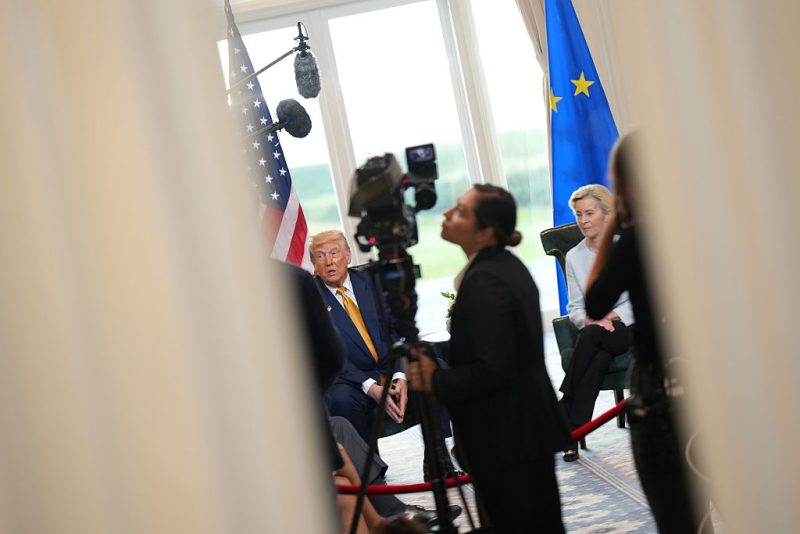
The European Parliament has cleared the final hurdle to lowering tariffs on US agricultural and industrial products, a key step towards implementing the trade pact between Washington and Brussels agreed last summer.
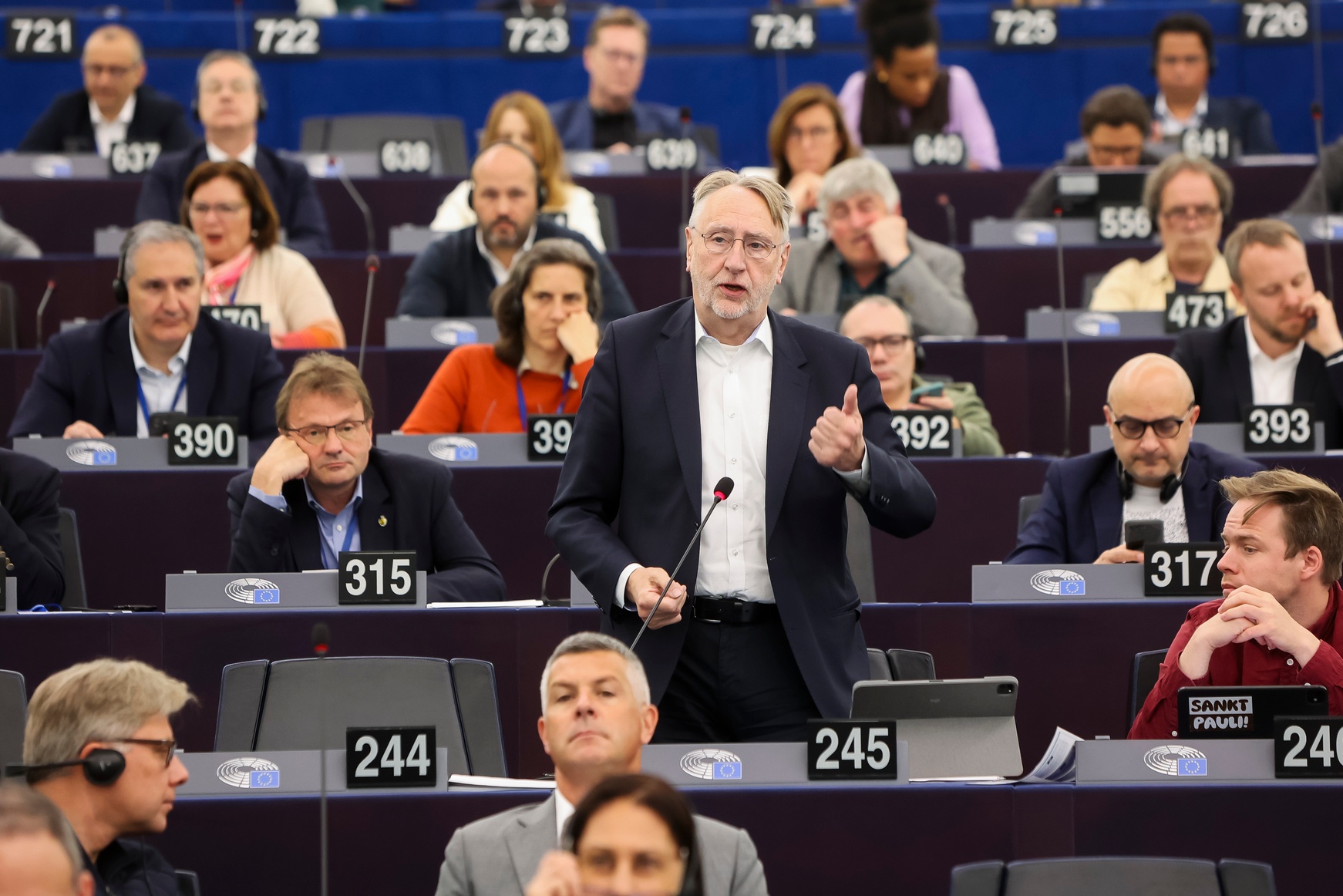
The deal was approved during a plenary session in Strasbourg on Tuesday, with 440 votes in favour, 151 against and 50 abstentions.
The Parliament’s lead negotiator, veteran German MEP Bernd Lange, had wrangled for months with parliamentary groups and national governments over introducing additional safeguards to the tariff removals, which are conditional on a 15% blanket tariff on EU exports to the US.
A political agreement was reached in Strasbourg last month, empowering the Commission to suspend the deal if the US fails to comply with its commitments, notably if it maintains tariffs higher than 15% on steel and aluminium products or introduces additional trade measures.
“Under considerable pressure, we secured important guardrails to keep European interests on track,” Lange said, adding that Parliament would “keep a close watch on the implementation.” EU trade chief Maroš Šefčovič described the vote as an “important milestone” proving that the “EU is delivering on its word.”
INTERVIEW: Theologian-turned-MEP on how he stood up to Trump
In 25 years, Bernd Lange never faced such political strain. The pressure the veteran MEP…
4 minutes

MEPs and Council agreed that the arrangement will expire in December 2029, ensuring it remains in force throughout Donald Trump’s current presidential term.
However, trade tensions have not disappeared following the EU-US agreement.
On Monday, Trump threatened fresh tariffs on French wine and champagne over France’s 3% digital services tax on technology companies ahead of the G7 summit in Evian.
Meanwhile, the US Trade Representative announced earlier this month a 10% tariff on EU products, citing alleged failures to ensure they are not produced using forced labour.
The Council is expected to endorse the deal next week.
Turnberry explained: The EU-US trade deal that never was
Brussels decision-making is hard to understand – that’s no secret. And it’s all the more…
6 minutes
(adm, aw)

![Azerbaijan turns SCO partnership into broader Eurasian economic strategy [ANALYSIS]](https://www.azernews.az/media/2023/02/14/fii-jumo_400x400.jpg "Azerbaijan turns SCO partnership into broader Eurasian economic strategy [ANALYSIS]")